July-Sept 2025 Tariff Predictions: A "Tariff Roller Coaster"?
First, let's forecast the key period in the second half of 2025. Based on current US-China trade trends (like tech competition, inflation pressures, and political factors), US tariff policies toward China from July to September 2025 may feature "minor adjustments with localized fluctuations." Specifically:
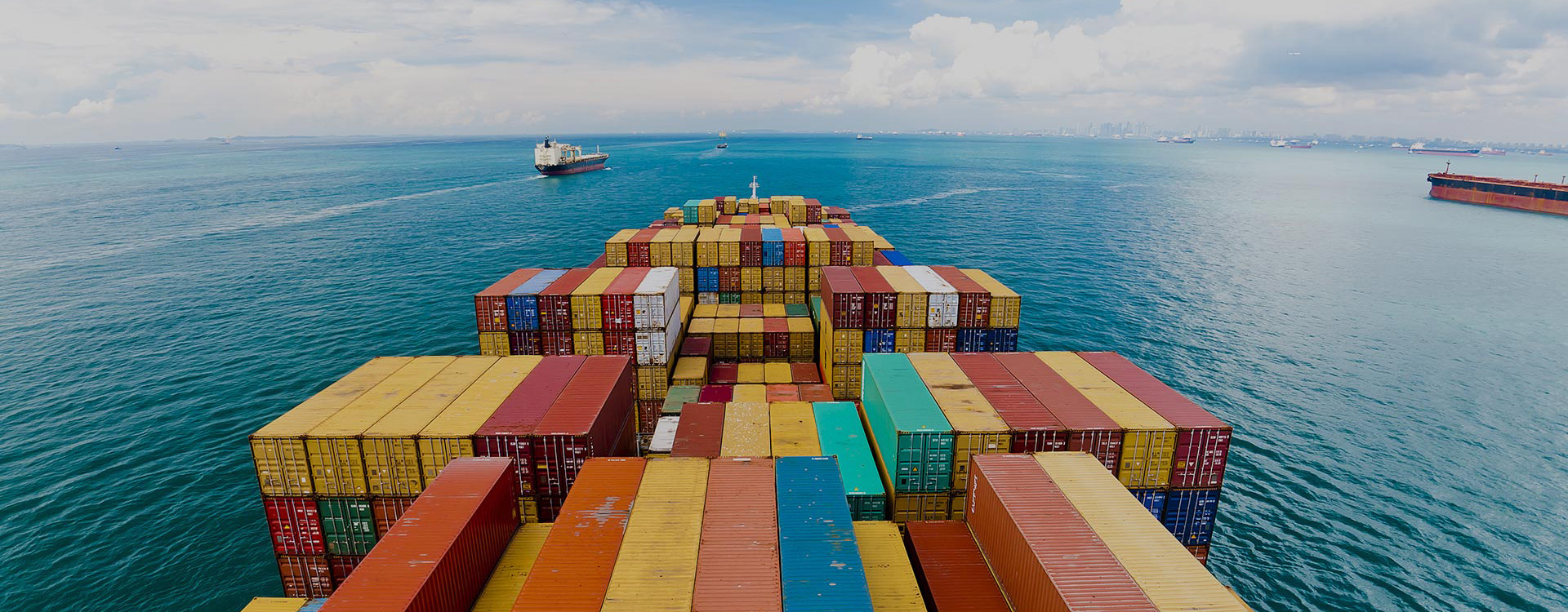
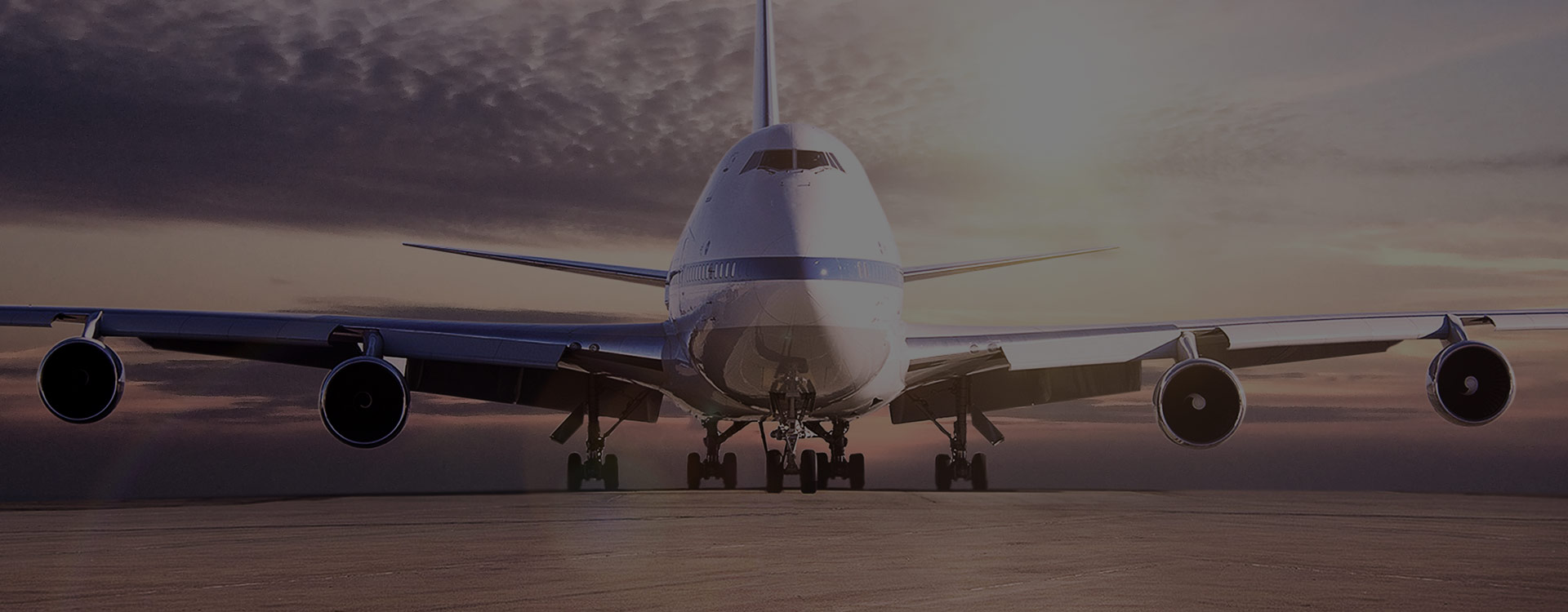
· July might bring a "cooling period": The US could slightly reduce tariffs on some consumer goods (e.g., household items or electronic components) to ease domestic inflation. For example, if the US economy shows signs of slowing in early 2025, the government might lower import costs to stimulate consumption. For logistics, this could mean a short-term increase in shipping volumes, especially via sea and air freight.
· September may enter a "protection phase": Following post-election policy adjustments (assuming a new administration after the 2024 elections), September could see new tariffs on high-tech products (like AI equipment or new energy components) to protect domestic industries. This is like adding a toll booth on a highway—logistics companies need to plan ahead to avoid cargo delays at ports.
Why this prediction? Because US-China trade has always been a "game of strategy," with tariff policies often influenced by economic data and geopolitics. As a post-pandemic milestone year, 2025 may see the US focusing more on balancing domestic jobs and global competition, so changes won’t be too drastic but enough to keep logistics professionals alert.
Impact on the Logistics Industry: The "Triple Effect" on Costs, Routes, and Customs
Tariff changes directly affect logistics—let’s explore the potential impacts:
· Cost fluctuations: Like a seesaw: If tariffs decrease, lower import costs could lead to a small surge in orders, especially for cross-border e-commerce logistics. But if tariffs rise, transportation costs might increase by 5%-10%, forcing companies to adjust pricing strategies. Recommendation: Monitor real-time exchange rates and tariff lists regularly, just like checking weather updates.
· Supply chain adjustments: Detours ahead: Policy shifts may push more companies to diversify supply chains, such as shifting to Southeast Asia or Mexico. For logistics, this means transport routes need greater flexibility—sea routes might switch from direct US routes to transshipment via Singapore, while land and air freight demand could rise. Logistics firms can prepare by developing multimodal transport options to reduce reliance on single channels.
· Customs challenges: Time is money: Tariff changes often complicate customs clearance, with new documentation requirements or higher inspection rates. If policies fluctuate frequently in July-Sept 2025, clearance times could extend by 1-2 days. Logistics professionals must act like "detectives," preparing compliance documents in advance to avoid delays and extra costs.
In short, this period presents both challenges and opportunities for the logistics industry. Flexibility will be key—those who adapt quickly can seize market advantages.
Future Outlook: Where Are Tariffs Headed After 2025?
Looking beyond 2025, US tariff policies toward China may trend toward "negotiation-driven and digitally upgraded":
· Short-term (2026-2027): The US and China might stabilize tariffs gradually through bilateral talks, like "road repair work" smoothing trade frictions. The logistics industry can expect partial reductions in tariff barriers, but competition in tech products will remain fierce. Recommendation: Invest in digital tools, such as AI for predicting tariff changes and optimizing inventory management.
· Long-term (2028 and beyond): As global green transformation accelerates, "carbon neutrality" tariffs could become a new focus, such as taxes on high-carbon emission products. For logistics, this means green logistics (e.g., electric trucks or carbon-neutral shipping) will gain popularity. In the future, logistics professionals won’t just move goods—they’ll be "eco-pioneers," building sustainable supply chains early on.
Conclusion: How Logistics Pros Can Adapt
Tariff policies are unpredictable, but we in logistics are natural problem-solvers. For July-Sept 2025, we recommend staying updated on official policy announcements, strengthening communication with clients, and enhancing supply chain resilience. Remember, opportunities often hide in changes—for instance, expanding into new markets when tariffs drop or focusing on high-value services when they rise.
Finally, while tariffs are a serious topic, we can face them with a positive attitude: just like using GPS navigation, adjusting routes along the way will always get us to our destination. If you’ve faced interesting tariff-related situations or challenges in logistics, feel free to share your stories in the comments! Let’s learn and grow together.